
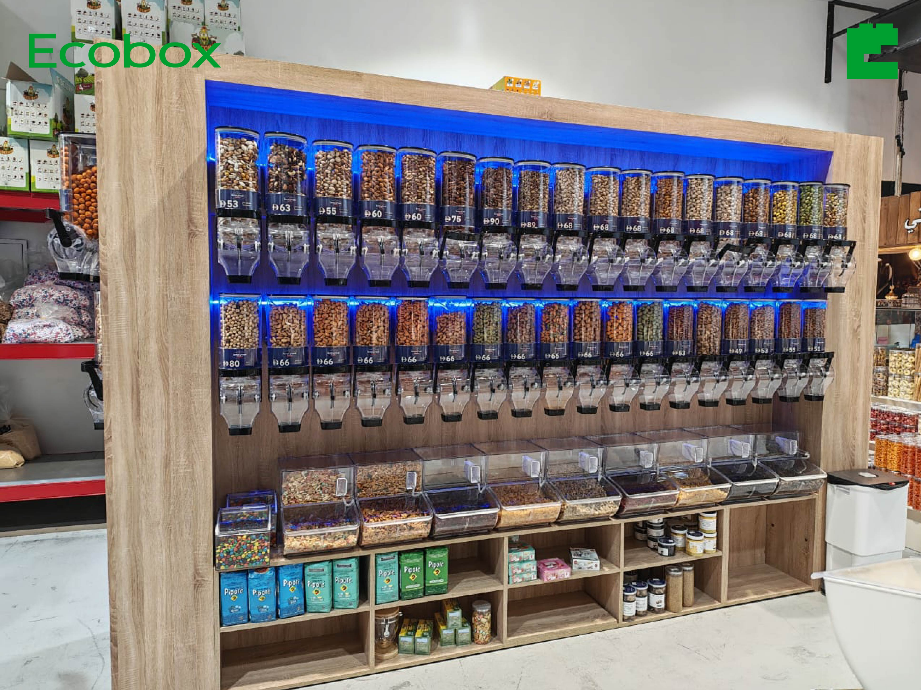
גידול במכירות ובאינטראקציה עם הלקוחות באמצעות שיפור הנראות
איך העיצוב של מפזר כבידה משפר את הנראות על המדפים ומעודד קנייה אימפולסיבית
מפזרים הגרוויטציה משנים באמת את המראה של המוצרים על מדפי החנויות, ומייצרים תצוגות דינמיות שפונות קדימה ולוכדות את עיני הקונים בזמן שהם עוברים. מדפים רגילים נוטים להטביע את המוצרים עם הזמן, אך מפזרים אלו שומרים על כל הפריטים פונים החוצה, כך שהקונים יכולים לראות אותם כל היום. והנראות הזו יוצרת הבדל משמעותי בקניות ספונטניות. מחקר שפורסם בכתב העת Journal of Retailing בשנת 2023 גילה שנראות טובה יותר מגדילה קניות אימפולסיביות בכ-30%. מה שעושה את מפזרי הגרוויטציה ייחודיים עוד יותר הוא הדרך שבה המוצרים זורמים למטה דרכם. התנועה עדינה זו לוכדת תשומת לב בצורה טובה בהרבה מכל דבר שנמצא במנוחה, ולכן חנויות אוהבות להשתמש בהם כדי להציג פריטים חדשים או פריטים איכותיים במיוחד שברצונן להבליט.
גישה אינטואיטיבית מגביה את חוויית הלקוח ואת האינטראקציה עם המוצר
מפזרים לפי כוח המשיכה מעוצבים עם דגש על נוחות שימוש, כך שלקוחות לא חייבים לחטט דרך ערמות של מוצרים כמו מדפי החנות הרגילים. כשהמוצרים גלויים לעין באופן ברור וכל פריט ניתן להוצאה בנפרד, הקונים פשוט בוחרים את מה שהם רוצים מבלי לפגוע או להתערבב עם פריטים סמוכים. התהליך כולו הופך את הקנייה לחלקת יותר ופחות מלחיצה נפשית, מה שחשוב במיוחד בחנויות עמוסות בהן אנשים בדרך כלל מרגישים רציניים. לפי מחקר חדש של אינדקס חוויית הלקוח בתעשיית הקמעונאות (2023), כשחנויות מקלות על הלקוחות למצוא מוצרים, דירוגי הסיפוק עולים בכ-18 נקודות. שיפור מסוג זה אינו רק נשמע טוב על הנייר – אלא גם يؤدي למוכרים מיידיים גבוהים יותר, וכן מעודד לקוחות לחזור שוב ושוב.
מקרה לדוגמה: מותג ngũות משיג עלייה של 22% במכירות יחידה באמצעות מדפים מאולפים בעזרת כוח המשיכה
אחת מממותgni הערמומיות הגדולות הציגה את מפצי המנוף האלה ב-500 סופרמרקט ברחבי הארץ, מכיוון שנפילת המכירות בחנויות עלתה בקצב מהיר. לאחר כשישה חודשים, ראו עלייה בכ-22% במכירות היחידה, בהשוואה לחנויות שעדיין השתמשו במגרשים רגילים. דבר מעניין נוסף הוא שמכירת המוצרים הסמוכים למזפזים עלו בכ-35%. נראה שפשוט אנשים קונים יותר דברים כשיכולים לראות את הכל טוב יותר. זמן שהות הלקוחות באזור מחלקת הערמומיות עלה בממוצע ב-40 שניות. הזמן הנוסף הזה גרם לקונים לקנות סלים גדולים יותר, מה שתרם לשיפור משמעותי בביצועים של כל הקטגוריה.
מיקום אסטרטגי: אופטימיזציה של מיקום פריטים עם רווחיות גבוהה בגובה העיניים
קמעונאים שממשיכים בדרכים חכמות מפזרי כובע יכולים להרוויח הרבה יותר מהמדפים היקרים שלהם. הנחת מוצרים אלו עם רווח גבוה יותר במגרשים ממונעים על-ידי כוח המשיכה ממש במקום שבו הקונים מסתכלים באופן טבעי (בערך בגובה החזה, נניח בין 4 ל-5 רגל מעל הקרקע) מנצלת אחת הנקודות הטובות ביותר למשיכת תשומת לב הקונים. מחקרים בתכנון חנויות מראים שדברים הנמצאים בגובה העיניים מקבלים כ-35 אחוזים יותר הצצות בהשוואה לדברים הנמצאים על מדפי העלייה או טמונים למטה. וכשמפזרי הכובע הללו שומרים אוטומטית על המוצרים פנים קדימה, כל הסידור הופך לכוח מכירה עוצמתי. זה לא רק מגביר את המכירות בפועל, אלא הקונים נוטים לראות את הפריטים כיותר רצויים. התוצאה? רווחים טובים יותר למטר מרובע והפיכת המלאי במהירות רבה יותר.
הפחתת פסולת ושיפור בקרת המנות באמצעות תפזורת ממונעת על-ידי כוח המשיכה
מפזרי כבידה עוזרים באמת בקרבת מנות וצמצום של פסולת בגלל אופן פעולתם. מפזרים אלו מאפשרים יציאה של פריט אחד בכל פעם, כך שקונים לא יכולים לקחת מספר פריטים יחדיו. משמעות הדבר היא פחות מגע במוצרים, פחות פריטים פגומים שיושבים שם ונראים עצובים, וכל אחד מקבל בערך את אותה הכמות בכל פעם. למוצרים יקרים שבהם גם כמויות קטנות מאוד חשובות להכנסה, השימוש במכשירים אלו מהווה הבדל משמעותי. כשאנשים מנסים לקחת יותר מדי או לערוך התערבות, המפזר פשוט לא יתן יותר ממה שמותר.
הפחתת התקורה והזלפות של המוצר: נתונים מראים ירידה של 15–30% במקטעי גרנולה
סופרמרקטים המשתמשים במכונות חלוקה המופעלות על ידי כוח המשיכה מדווחים על 15–30% פחות הפסדים במקטעי גרנולה ומוצרי קיבוץ בהשוואה להתקנות של מדפים פתוחים מסורתיים. העיצוב הסגור מפחית את הסיכן מהפיזור, בעוד שהזרימה הנשלטת מפחיתה שפיכות אקראיות. שיפורים אלו מקטינים ישירות את האובדן התפעולי ומשפרים את השוליים על ידי הפחתת פסולת שנגרמת משגיאות בטיפול ובזיהום.
איזון בין גישה פתוחה לסיכון של ריסוס: שיקולים בעיצוב עבור סופרמרקטים
מפזרי הכבידה של היום מצליחים לשמור על נגישות מבלי לאפשר לחפצים להתפזר בכל מקום, הודות לעיצוב חכם. הפאנלים הצלולים בצד הקדמי מאפשרים ללקוחות לראות את תוכן הפנימי, והערוצים הקטנים מבצעים עבודה טובה דיה בדחיפת המוצרים קדימה כאשר מישהו לוקח אחד מהם. בנוסף, קיימים בהם מערכות ניגוב מושלמות שמניעות מהלכידות, וכן כל הפינות עגולות כדי ששום דבר לא יתלכד בעת החלקה למטה. מה שזה אומר לחנויות הוא שהן מקבלות משהו שנראה מזמין לקונים, אך עדיין שומר על מעקב טוב אחרי המלאי, ומצמצם אובדן עקב תאונות או אנשים שלוקחים יותר מדי בבת אחת.
השלמת מלאי יעילה וניהול מלאי באמצעות מערכות FIFO
מפזרי כובע משפרים את פעולות הסופרמרקט באמצעות עיצוב פנימי של ראשון נכנס ראשון יוצא (FIFO), המחליף אוטומטית את המלאי כדי להבטיח שפריטים ישנים יימכרו ראשונים. מערכת זו תומכת בטריות המוצר, מפחיתה התדרדרות ומקלה על עמידה בתקני הבטיחות של מזון על ידי הפחתת התלות בהחלפה ידנית.
החלפה לפי עיקרון ראשון נכנס ראשון יוצא (FIFO) מבטיחה טרייה של המוצר ועמידה בתקנים
שיטת FIFO ממש חשובה כשמדובר בחפצים שמתקלפים במהירות או שיש להם תאריך תפוגה. בלי זה, מלאי ישן פשוט נשאר שם ונשכח עד שהוא הופך לפסולת истה בתוויות. מפזרים לפי כובד עוזרים רבות בפעולה אוטומטית כבר עכשיו - הם דוחפים את המוצרים הישנים קדימה כדי שימכרו ראשונים. סוחרים אוהבים את זה כי זה מקטין את האוכל שנבזבז ומשמר אותם מחוץ לבעיות עם בודקי הבריאות. לדברים כמו ירקות טריים או מוצרים מאפייה שנשארים רק יום או שניים, לא להסיע כראוי פירושו לזרוק כסף לפח - לראות במפורש מוצרים טובים הופכים לחמוצים בעוד החדשים נשארים ללא נגיעה מאחוריהם.
תנועה קדימה אוטומטית מפחיתה את זמן העבודה ואת מאמץ ההשלמה
מערכות הזנת כובע מוסרות את כל הסיבוך של סיבוב מלאי ידני, מה שיכול לחסוך חנויות כ-30% בזמן מילוי מלאי, בהתאם לדוחות על יעילות קמעונאית מסוימים. העובדים פשוט לוקחים מלאי חדש מקיר האחורי, בעוד העיצוב החכם דוחף את הפריטים הישנים יותר אל הקידמת, ממש במקום שבו הקונים רואים אותם ראשונים. כל ההתקנה משמעה פחות הוצאות על שעות עובדים, פחות מדפים ריקים בשעות עמוסות, וקונים שמחים יותר שלא עוזבים מתוסכלים מכיוון שהחטיפים האהובים עליהם עדיין שם, מחכים להם, ולא יושבים נשכחים בתחתית של ערימה כלשהי.
שילוב עם תווית מדף דיגיטלית לניהול תמחור דינמי ומעקב אחר תאריכי תפוגה
מפזרי כובע עובדים היום במקביל לתוויות דיגיטליות של מדפים כדי ליצור מה שחלקם מכנים מערכת מלאי חכמה. כאשר למוצרים מגיעים קרוב למועד התפוגה, המחירים מתעדכנים אוטומטית ועובדים מקבלים התראות על פריטים שלא יחזיקו עוד זמן רב על המדף. חנויות שאמצו טכנולוגיה זו מדווחות על שיפור של כ-25 אחוזים במעקב אחר רמות המלאי, וכן על זריקה לקבוץ של פחות מזון לפני שהוא מתקלקל. היתרונות הפיננסיים ברורים, אך יש גם תחושה של סיפוק בהקטנת הפסד בעת הנהלת עסק.
שיפור ההיגיינה, הבטיחות והקיימות הסביבתית
הפחתת מגע עם לקוחות משפרת את בטיחות המזון במערכות מפזרי כובע
בטיחות המזון משתפרת כשחנויות משתמשות במכלי חלוקה לפי כובד במקום לאפשר ללקוחות להכניס את ידיהם לתוך סלים של מוצרים. קחו אגוזים או פירות יבשים למשל – מערכות אוטומטיות אלו משייטות מנות לתוך מיכלים ללא מגע ידי אדם, מה שמפחית את הפעפוע של מיקרואורגניזמים מאדם לאדם. כולנו יודעים עד כמה מדרכות החנויות עלולות להיות עמוסות לפעמים, ולכן חשוב מאוד לשמור על ניקיון. חנויות שממירות לשימוש במכלי החלוקה הללו לא רק שמשיבות למראה מסודר יותר של המדף, אלא גם עונות למה שהקונים רוצים כיום – הם מודאגים יותר לגבי המקור של המזון שלהם ובהקשר לאיך הוא נשאר בטוח לאורך כל תהליך הקנייה.
עיצובים חסויים שומרים על טריות המוצר ומצמצמים סיכוני זיהום
מפזרי כובד עם עיצוב חסוי שומר על מוצרי המזון מפני חדירת חומרים לא רצויים כמו אבק, לחות, חרקים וכל דבר אחר שיכול לחדור למיכלים פתוחים. התוצאה? המוצרים נשארים טריים זמן ממושך יותר מדפי החנויות. דמיינו את אותן קופות גדולות של ngũות או אגוזים בחנויות מכולת – הן פשוט אינן נתקלות בתפוגה מהירה כשמוגנות בתוך מערכות חסויות אלו. החנויות חוסכות כסף מכיוון שפחות מזון נזרק בגלל התפיגות, והקונים מקבלים את מה ששילמו עליו מבלי לדאוג לגבי מרכיבים מועדים או חמוצים. מבחינת היגיינה, אין ממש תחרות בין מפזרים חסויים לבין תצוגות פתוחות מסורתיות שבהן אצבעות וחלקיקים באוויר יכולים להזין את כל הפריטים.
יתרונות של קיימות: פחות פסולת אריזה, פחות התדרדרות ומיזג חזק יותר עם עקרונות ESG
מפזרים לפי כוח הכבידה עוזרים להגן על הסביבה מכיוון שהם מאפשרים לאנשים לקנות מוצרים בצריכה מרובה במקום להסתמך כל כך הרבה על אריזות חד-פעמיות שאנו כולנו שונאים. לפי נתוני תעשייה מסוימים, חנויות שיש בהן תחנות מילוי מרובות מאופסנות לפי כוח הכבידה מצליחות לצמצם את פסולת האריזות בכ-30 אחוז בהשוואה למוצרים ארוזים רגילים. וכשמשתמשים בשיטת FIFO, שמטרתה לספק קודם את המלאי הישן יותר, יש עוד פחות מזון שנפסל ומסתיים במזבלות. כל היתרונות האלה מתאימים למה שחברות קוראות לו כיום סטנדרטים של ESG – דברים הקשורים לסביבתי, חברתי וממשלתי. אז לחנויות שרצות להיות ירוקות, התקנת מפזרים לפי כוח הכבידה היא לא רק טובה לכדור הארץ – זה גם מהווים הגיון עסקי.
תפיסת הצרכנים: אספקה ידידותית לסביבה מחזקת נאמנות למותג
יותר ויותר אנשים מחפשים חנויות שמדגישות את החשיבות לסביבה כשעושים קניות. מפזרי כבידה מראים que העסק רציני בנוגע לשינוי לדרך ידידותית יותר לסביבה, מה שממש משפיע על איך הלקוחות percipients את המותג. מחקר מראה שבערך שני שליש מהקונים יחזרו למקום שבו הם יכולים למצוא מוצרים ידידותיים לסביבה. סופרמרקטים שממירים למערכות הזנה על ידי כבידה נוטים למשוך לקוחות שמתעניינים באמת בקיימות. חנויות אלו בונות נאמנות ללקוח לאורך זמן ו Sobresalen על פני מתחרים שלא עשו שינויים דומים. ההשקעה משתלמת הן מבחינת עסקים חוזרים והן מבחינת מילים טובות לפי שמועה.
שאלות נפוצות
מהם מפזרי כבידה?
מפזרי כבידה הם מערכות מדפים מיוחדות שנועדו להפצת מוצרים בצורה מסודרת, המשפרת את הנראות והנגישות, ובמקביל מקלה על בקרת מנות.
איך מפזרי כבידה משפרים קניית דחף?
מפגלי גרביטציה מציגים מוצרים בצורה קידמית ודינמית שמאפשרת למשוך את תשומת הלב של הקונים, ומעודדת קניות דחף.
מהו FIFO וכיצד הוא קשור למזרקים לפי כוח הכובד?
FIFO פירושו ראשון פנימה, ראשון החוצה, מערכת שמזרקים לפי כוח הכובד משתמשים בה כדי להבטיח שמוצר ישן יותר יימכר ראשית, ובכך מعزzet טריות ותאימות לתקני בטיחות המזון.
איך מפזרי כובד תורמים לקליטת?
מפזרי כובד מקטינים פסולת אריזה והפסד על ידי איפשור לקונים לקנות מוצרים בכמות גדולה, ובכך תומכים בקיימות הסביבתית ובנאמנות למותג.
תוכן העניינים
-
גידול במכירות ובאינטראקציה עם הלקוחות באמצעות שיפור הנראות
- איך העיצוב של מפזר כבידה משפר את הנראות על המדפים ומעודד קנייה אימפולסיבית
- גישה אינטואיטיבית מגביה את חוויית הלקוח ואת האינטראקציה עם המוצר
- מקרה לדוגמה: מותג ngũות משיג עלייה של 22% במכירות יחידה באמצעות מדפים מאולפים בעזרת כוח המשיכה
- מיקום אסטרטגי: אופטימיזציה של מיקום פריטים עם רווחיות גבוהה בגובה העיניים
- הפחתת פסולת ושיפור בקרת המנות באמצעות תפזורת ממונעת על-ידי כוח המשיכה
- השלמת מלאי יעילה וניהול מלאי באמצעות מערכות FIFO
-
שיפור ההיגיינה, הבטיחות והקיימות הסביבתית
- הפחתת מגע עם לקוחות משפרת את בטיחות המזון במערכות מפזרי כובע
- עיצובים חסויים שומרים על טריות המוצר ומצמצמים סיכוני זיהום
- יתרונות של קיימות: פחות פסולת אריזה, פחות התדרדרות ומיזג חזק יותר עם עקרונות ESG
- תפיסת הצרכנים: אספקה ידידותית לסביבה מחזקת נאמנות למותג
- שאלות נפוצות
- מהם מפזרי כבידה?
- איך מפזרי כבידה משפרים קניית דחף?
- מהו FIFO וכיצד הוא קשור למזרקים לפי כוח הכובד?
- איך מפזרי כובד תורמים לקליטת?


