
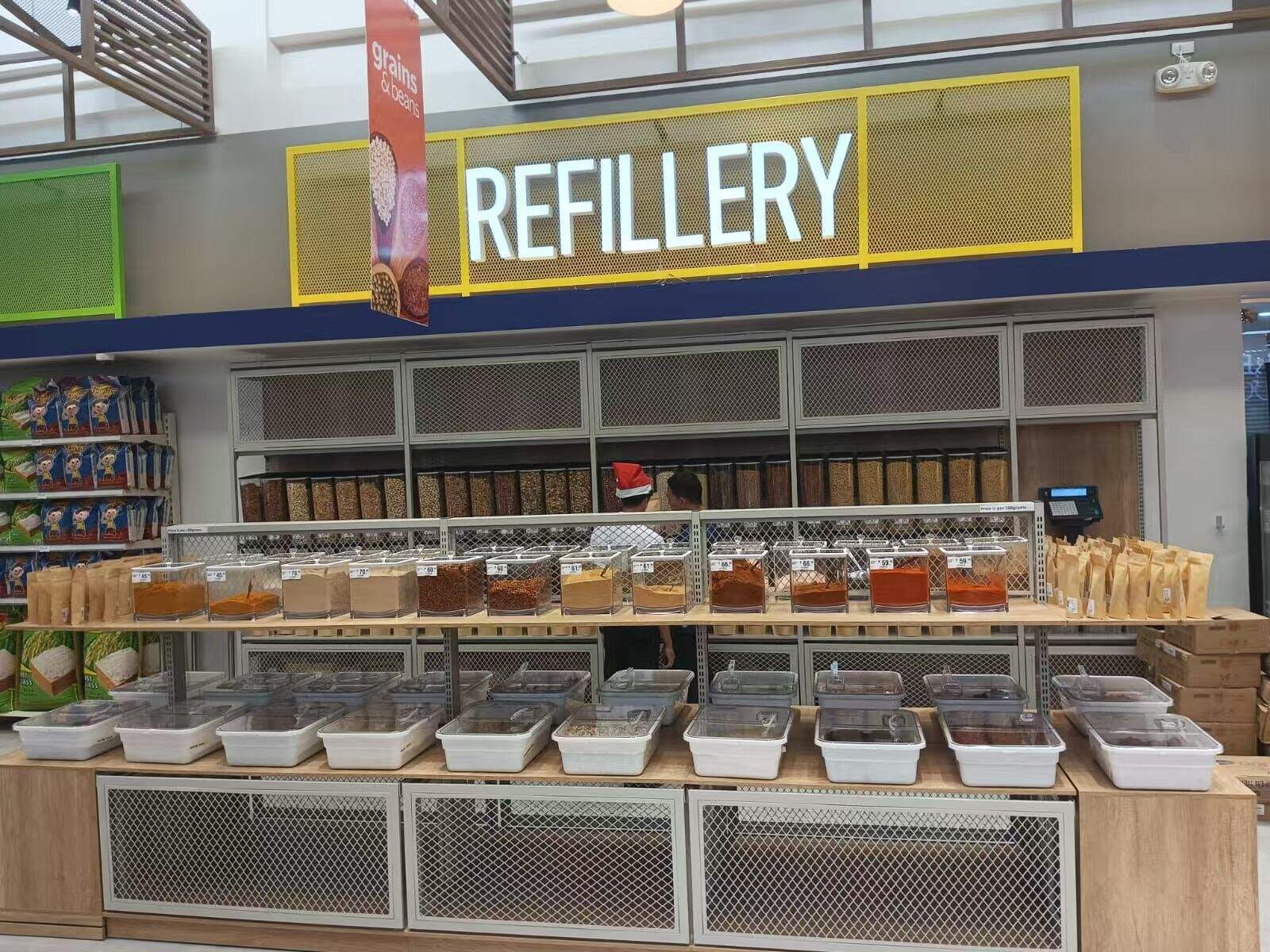
Material Durability and Structural Integrity for High-Traffic Supermarket Use
Stainless Steel vs. Food-Grade Polycarbonate: Balancing Strength, Clarity, and NSF Compliance
When choosing materials for bulk food dispensers, retailers need to consider durability, safety standards, and how well the material works day after day in busy stores. Stainless steel stands out because it holds up against drops, resists rust, and takes abuse from constant handling in crowded supermarket aisles. The surface doesn't trap bacteria either, which is important since it complies with NSF/ANSI Standard 2 for food equipment. Another option gaining popularity is food-grade polycarbonate. This material lets customers see products clearly thanks to its almost glass-like transparency, plus it's half the weight of steel so staff can move dispensers around easily during store layouts. Both materials handle regular cleaning without issues, but polycarbonate needs special treatment to prevent yellowing and loss of strength when exposed to sunlight. Retailers should stick with certified grades if they want their dispensers to meet all the necessary food safety regulations for contact surfaces.
| Property | Stainless Steel | Food-Grade Polycarbonate |
|---|---|---|
| Impact Resistance | High (may dent under extreme force) | High (prone to scratching, not cracking) |
| Corrosion Resistance | Excellent across pH ranges and sanitizers | Good—degrades with prolonged exposure to chlorine-based cleaners or UV light |
| Clarity | Opaque | >90% light transmission |
| NSF Compliance | Inherently compliant when properly finished | Requires third-party verification and UV-stabilized formulation |
Cleaning Frequency, Sanitization Protocols, and Maintenance Impact on Operational Uptime
Keeping things clean every day is absolutely essential in supermarkets these days, and what materials are used makes all the difference in how long dispensers last through harsh cleaning routines. Stainless steel holds up pretty well against hot steam, strong cleaning chemicals, and multiple rounds of disinfecting without breaking down over time. Polycarbonate works fine with alcohol based cleaners or those quaternary ammonium stuff most places use, though it can get cloudy or develop tiny cracks if someone scrubs too hard or leaves it under bright lights for too long. Stores that run around the clock often see somewhere between 25 to 30 percent fewer problems with their dispensers when they choose models that don't jam easily, come apart without tools, and have few nooks where dirt hides. Those magnetic seals and smoothly curved surfaces really help out too, saving maybe 10 to 15 minutes each day on cleaning tasks across the store. That extra time adds up fast, making operations run smoother and keeping staff from getting bogged down. Regular upkeep stops those pesky biofilms from forming and keeps dispensers working at least 98 or 99 percent of the time, which means happy customers and better bottom line numbers for the business.
Hygiene-Centric Design: Touchless Operation and Precision Portion Control
Infrared Sensors, Drip-Free Nozzles, and NSF-Certified Components for Safe Self-Service
The battle against germs starts right where people interact with equipment. Touchless dispensers powered by infrared technology have become game changers, since they remove those hotspots for spreading pathogens. The Centers for Disease Control says something like 70% of germ transfer happens on surfaces during self service situations. These systems also come with nozzles designed to stay dry, which means less mess builds up over time. Cleaning crews don't need to scrub as often because there's simply nothing to clean. Every part that comes into contact with liquids needs NSF certification too. This includes all the rubber seals, those dispensing tips, and even the hidden channels inside. Getting this right makes sure nothing grows bacteria and everything works properly with strong cleaning chemicals. Supermarkets testing this setup saw around a third fewer contamination problems according to National Floor Safety Institute research from last year.
Minimizing Over-Serving, Spillage, and Cross-Contamination in Front-of-House Bulk Food Dispenser Stations
Getting portions right isn't just good practice, it's essential for keeping things safe and managing costs effectively. Modern systems can measure dry ingredients with around 5 grams accuracy, which cuts down on serving too much, minimizes waste, and keeps pricing consistent across the board. At front-of-house locations, special setups help prevent contamination between different foods. Magnetic seals create separate compartments for each item, and gravity feed systems mean no shared parts that could transfer flavors or bacteria. Clear antimicrobial shields also trap floating particles in the air, something that really matters when handling common allergens such as peanuts, sesame seeds, or powdered milk products. All these protection layers not only meet FDA guidelines but make life easier during those dreaded health checks from inspectors.
Functional Reliability: Jam-Resistant Mechanics and User-Friendly Features
Gravity-Driven Dispensing, Anti-Jam Paddles, and Flow Optimization for Dry Goods
Systems that rely on gravity instead of motors, belts, or electronic controls tend to be much more reliable. Supermarkets have seen around a 37% drop in equipment failures after switching to these systems according to Food Handling Journal last year. The anti jam paddles really help prevent clumping problems especially with products that absorb moisture easily, such as granola bars, roasted almonds, and dried fruits which tend to stick together. These machines also feature specially designed hopper chambers that taper inward, along with angled chutes and adjustable gates for controlling how things flow out. This setup works well whether dispensing something light like puffed rice cereal or heavier stuff like beans and lentils. Even when busy customers walk past or refrigerators vibrate nearby, the vibration resistant mounts keep everything aligned properly so portions stay accurate all day long without needing constant adjustments.
Tool-Free Disassembly, Magnetic Seals, and Color-Coded Levers for Staff Efficiency
Operational resilience depends on rapid, error-proof maintenance. Magnetic seals allow secure, screw-free access—enabling full component removal in under 90 seconds for deep cleaning or inspection. Color-coded levers standardize response across dispenser models and reduce training time by 50%:
- Blue handles adjust flow rate
- Red levers activate immediate shutoff during spills or malfunctions
- Green panels provide visual confirmation of sanitized status after cleaning
This intuitive interface minimizes human error during shift changes and supports consistent adherence to store-level sanitation protocols—key to sustaining uptime across multi-unit dispenser networks.
Freshness Preservation and Contamination Prevention Through Integrated Sealing
Good sealing works as the first line of protection against things like oxygen getting in, moisture moving around inside packages, and microbes sneaking their way into products. These are actually the main reasons why bulk dry goods tend to spoil over time. Better sealing technology can boost shelf life anywhere from 30 to 50 percent when compared with simple lid closures according to research published in the Journal of Food Protection back in 2022. Plus it helps reduce all that wasted food that happens because items go stale too soon or start clumping together. The best dispensers out there typically combine three different protective layers working together to keep contents fresh longer.
- Hermetic compression gaskets, engineered for uniform pressure distribution across container lids
- Moisture barriers with vapor transmission rates below 0.5%, critical for humidity-sensitive items like granola and cereal
- Automated seal integrity monitoring, which alerts staff via LED indicators when gasket compression falls outside tolerance
Allergen control is really important when it comes to these systems. They help stop problems where things like nuts or gluten get mixed in through the air or touching surfaces. This matters a lot in places where different foods are handled together. Stores that have gone with NSF certified sealing options see about half as many cleaning issues compared to regular equipment. When looking at what works best day to day, focus on dispensers that don't need tools for changing gaskets and have clear viewing areas so workers can quickly check if everything is properly sealed. Making sure closures work right becomes something that fits naturally into routine tasks instead of being an extra burden on busy staff members.
FAQs
What are the main advantages of using stainless steel for bulk food dispensers?
Stainless steel is highly durable, resists rust, and effectively withstands drops and handling wear. It also complies with NSF/ANSI Standard 2 for food equipment, making it a safe option for busy supermarkets.
Why is food-grade polycarbonate popular for bulk food dispensers?
Food-grade polycarbonate offers excellent clarity, allowing customers to see products easily. It is lightweight compared to stainless steel, facilitating easier movement and layout adjustments in stores.
How do touchless dispensers improve hygiene in supermarkets?
Touchless dispensers use infrared technology to minimize germ transfer at self-service points, reducing hotspots where pathogens may spread. They also feature drip-free nozzles and NSF-certified components.
What are the benefits of gravity-driven dispensing systems?
Gravity-driven systems are more reliable and reduce equipment failures. They often have anti-jam paddles and flow optimization features that enhance operational uptime and accuracy.
How does integrated sealing in dispensers prevent contamination?
Integrated sealing employs hermetic compression gaskets, moisture barriers, and automated seal integrity monitoring to protect against oxygen, moisture, and microbes, extending shelf life and preserving freshness.
Table of Contents
- Material Durability and Structural Integrity for High-Traffic Supermarket Use
- Hygiene-Centric Design: Touchless Operation and Precision Portion Control
- Functional Reliability: Jam-Resistant Mechanics and User-Friendly Features
- Freshness Preservation and Contamination Prevention Through Integrated Sealing
-
FAQs
- What are the main advantages of using stainless steel for bulk food dispensers?
- Why is food-grade polycarbonate popular for bulk food dispensers?
- How do touchless dispensers improve hygiene in supermarkets?
- What are the benefits of gravity-driven dispensing systems?
- How does integrated sealing in dispensers prevent contamination?


