
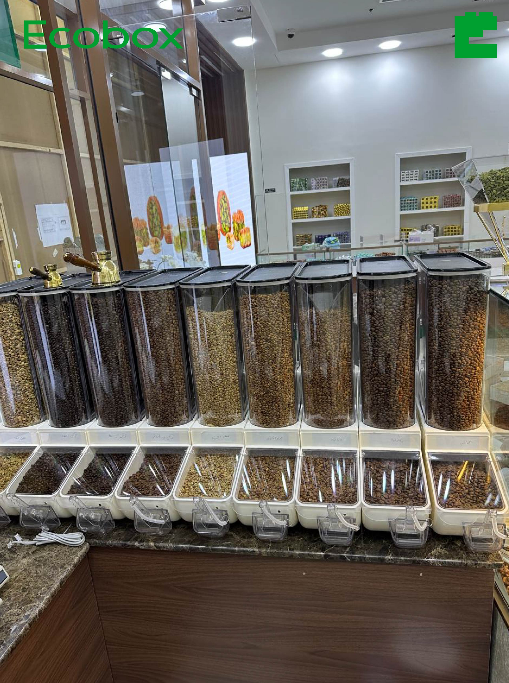
Smooth, Seamless Surfaces for Maximum Hygiene in Scoop Bins
Why non-porous, seamless materials prevent bacterial growth in scoop bins
Materials that are non-porous and seamless make it really hard for bacteria to grow because they get rid of those tiny little cracks where moisture and stuff from nature tends to collect. Porous surfaces soak up liquid and become homes for bad germs, but when something is built seamlessly with continuous welds, there simply aren't any places left for dirt to hide. Studies indicate that if a surface has what's called Ra value below 0.8 micrometers, bacteria basically refuse to stick around on it. This cuts down on biofilm formation by about 70 percent when compared to rougher surfaces. The food industry has been using this approach for years in their processing equipment, which tells us something important about storage containers too: keeping things smooth and unbroken isn't just nice to have, it's actually critical for staying clean and safe when handling large quantities of materials.
Stainless steel vs. plastic liners: A cleanability comparison for scoop bin interiors
In places where cleanliness matters most, stainless steel beats plastic liners hands down because it doesn't have pores and resists scratches that trap bacteria. Most plastic materials tend to get tiny abrasions as they age, forming little hiding spots for harmful microbes. According to industry hygiene guidelines, stainless steel surfaces stay smooth at around 0.8 microns or less, which stops bacteria from sticking. Plastic surfaces usually become rougher than this limit after being cleaned repeatedly. Another big plus for stainless steel is how it handles intense heat during sanitation processes and strong cleaning agents without breaking down. For facilities focused on keeping food safe, stainless steel remains the top pick despite higher initial costs compared to cheaper plastic alternatives.
Polished finishes and reduced sanitation time: Evidence from real-world applications
Getting those surfaces really smooth cuts down on how long it takes to clean things up, according to research that points to around 35% faster cleaning times than regular finishes. A look at the latest hygienic design findings shows surfaces polished down to something like 0.8 micrometers or smoother just don't hold onto grime as much, which makes cleaning jobs go quicker. Food processors have actually seen this in action too. Their scoop bins with these super smooth finishes need about 25 to maybe 30% less time scrubbing and they use fewer chemicals overall. That saves money and still keeps everything sanitary enough for health inspectors. No wonder so many meatpacking plants and dairy operations are switching to these polished surfaces now. The savings stack up fast when cleaning happens every shift.
Effective Drainage and Base Geometry Prevent Residue Buildup
Sloped bases and integrated drainage channels enhance rinse efficiency in scoop bins
The slope at the bottom makes cleaning much easier since it guides liquid and small particles right into built-in drain channels that get rid of waste effectively. Water just flows along smoothly instead of sitting around in puddles, so there's less need to spend time rinsing everything manually. Factories have found that these angled bases actually save about half the time spent on cleaning when compared to those old flat surfaces that never seem to drain properly. For food processing plants or pharmaceutical facilities where cleanliness matters most, this design isn't just convenient it's practically necessary if they want to maintain proper sanitation standards while keeping their workflow running smoothly throughout the day.
Rounded corners vs. sharp angles: How design eliminates pooling and trapped debris
The shape inside containers plays a big role in how well they stay clean. When there are sharp edges or those standard right angle corners, they become problem spots where stuff gets stuck. Moisture collects there along with bits of whatever was stored, which is basically an invitation for bacteria to grow. On the flip side, when corners are rounded out, materials just slide right out instead of getting trapped. Water can also move freely through these areas when cleaning time comes around. No more hard to reach nooks means everything gets scrubbed properly. For people working with large storage tanks, switching to designs with curved corners isn't just nice to have it's actually changed how we think about keeping things sanitary in industrial settings.
Why flat-bottomed scoop bins are being phased out for hygiene reasons
Many facilities are moving away from flat bottom scoop bins because they just don't drain properly. When there's no slope to the base, water tends to collect in puddles while solid waste forms a messy buildup at the bottom. This creates real problems for contamination control and means staff spend hours scrubbing these bins clean after every use. The food processing sector has largely switched to sloped base models instead. These redesigned containers let liquids flow out naturally, making daily cleaning much quicker. Facility managers report significant improvements in sanitation scores since making the switch, which makes sense when considering how often these bins get used throughout production cycles.
Modular and Detachable Components Enable Thorough Cleaning
Quick-Release Lids and Removable Dividers Simplify Scoop Bin Disassembly
The modular design makes maintenance much easier since it gives complete access to all interior surfaces without needing any tools around. With those quick release lids and the removable dividers, anyone can take apart the whole bin in no time at all. And when everything comes apart so easily, there's nothing left behind in those tricky corners where grime tends to hide. Cleaning becomes way more thorough this way. Smaller components are even safe to toss into the dishwasher, while bigger sections get their own special attention during cleaning sessions. Just think about how much cleaner things stay over time compared to traditional designs.
Tool-Free Maintenance: The Rise of User-Friendly, Modular Scoop Bin Systems
Tool free maintenance is becoming really popular these days because businesses want to save time and money across factories and offices everywhere. Take modern scoop bins for instance they have those clever locking systems and parts that just snap together so anyone can take them apart completely within a minute or so. The whole point is making it easier on workers who need to clean things regularly. When something doesn't require special tools or training, people actually get around to doing it more often. Plus there's another advantage too modular designs mean broken bits can be swapped out instead of replacing everything at once. That not only makes sense financially but keeps facilities running cleaner for longer periods between full replacements.
Ergonomic and Functional Additions That Support Cleanability
Handle Placement and Design: Avoiding Crevices Where Grime Accumulates
Handles that are well thought out make cleaning much easier since they get rid of those little nooks and crannies where dirt tends to stick around. When handles are built right into the bin itself and have smooth curves that match its shape, there's just nowhere for old gunk to hide in those awkward spots nobody reaches. Some research indicates that handles with lots of corners or separate parts might actually hold about 40% more germs compared to ones that flow smoothly. For folks really concerned about hygiene, the best choices tend to be handles that are completely covered or shaped in gentle curves so anyone can give them a good wipe down without having to take anything apart first.
Non-Stick Coatings: How Advanced Surfaces Reduce Residue and Cut Cleaning Time by Up to 35%
Non stick coatings applied to scoop bins create really smooth surfaces that stop messy stuff from sticking inside. According to various industrial cleaning tests, these special coatings cut down on the effort needed for scrubbing by about 60 percent when compared with regular surfaces. Many facilities have noticed their cleaning routines speed up around 35% after switching to coated bins too. Plus they tend to use less water and chemicals since whatever gets left behind just wipes away without much trouble. Good quality coatings last through hundreds of cleanings before needing replacement, and importantly stay safe for contact with food products while still standing up against harsh chemicals.
FAQ
What is the importance of seamless surfaces in scoop bins?
Seamless surfaces prevent bacterial growth by eliminating tiny cracks where moisture and germs accumulate, thereby enhancing cleanliness and hygiene in storage containers.
Why is stainless steel preferred over plastic liners for scoop bin interiors?
Stainless steel resists scratches and abrasions, preventing bacterial accumulation, and handles intense sanitation processes better than plastic, making it the preferred choice for cleanability.
How do sloped bases improve cleaning efficiency in scoop bins?
Sloped bases guide liquids and particles into drainage channels, reducing manual rinsing time and enhancing cleanliness by preventing residue buildup.
What advantages do modular scoop bin systems offer?
Modular systems allow easy disassembly for thorough cleaning and enable straightforward maintenance without tools, improving hygiene practices and efficiency.


