
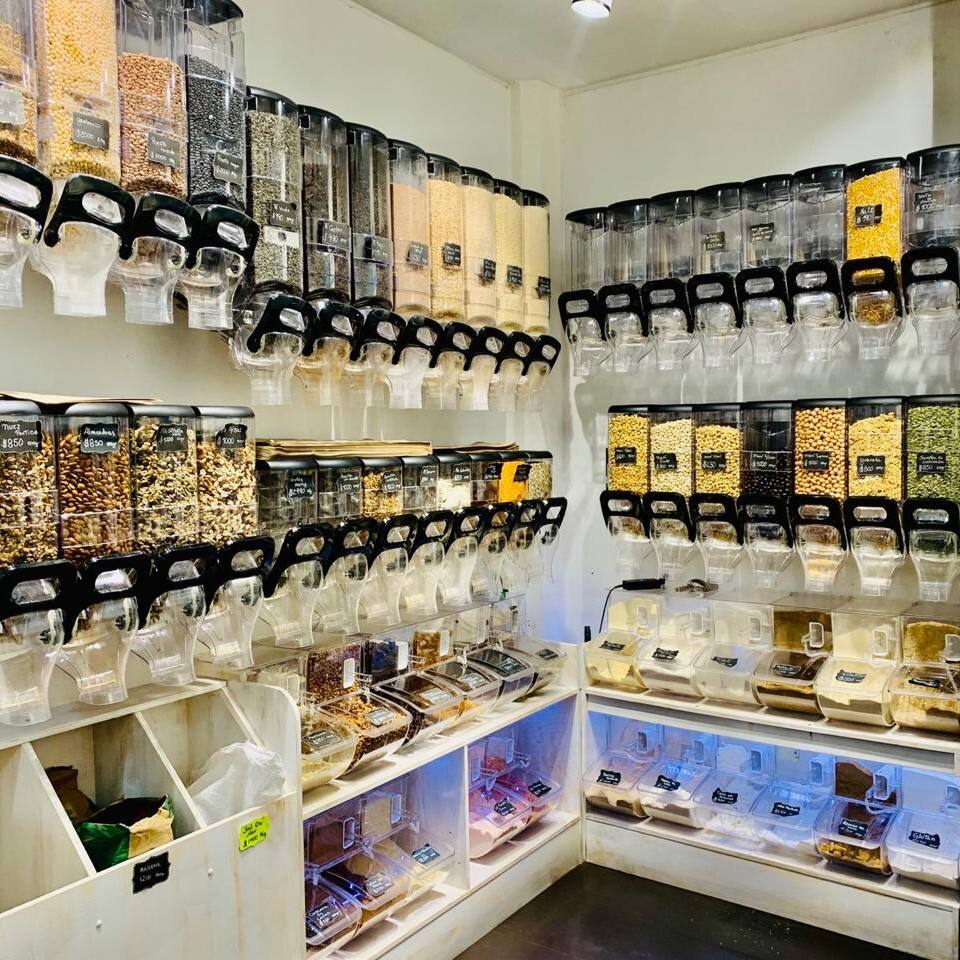
Assessing Store Space and Traffic Flow for Optimal Candy Dispenser Placement
Measuring Footprint Constraints: From Narrow Aisles to Compact Counters
Start by taking stock of how much room is actually available in the store. Measure those narrow aisles, check how deep the counters run, and see what wall space remains free. When dealing with aisles narrower than 36 inches, go for dispensers that take up less space front to back (around 12 inches max) so people can move through comfortably while still meeting accessibility standards. Compact checkout areas work better when using vertical stacking systems since they cut down on floor space needed by almost half without losing storage capacity. Small spots measuring less than 24 square feet like corners or little service areas become valuable real estate too if equipped with corner turning carousel units or mounted rotating dispensers that utilize vertical space effectively. Leave at least 18 to 24 inches clear around display areas so customers don't feel cramped and can navigate easily between products. Look for equipment that can be rearranged as needed because inventory changes throughout seasons and marketing approaches evolve over time anyway.
Matching Dispenser Size to Customer Flow: High-Traffic Zones vs. Low-Visibility Nooks
The right dispenser size depends on how busy an area actually gets and what people tend to do there. For spots where crowds naturally gather like checkout counters, store entrances, and where aisles cross, bigger dispensers in the 10 to 15kg range work better because they need refilling so often. About 7 out of 10 candy buys happen when someone just sees something nice looking anyway. These big dispensers should be placed where customers can see them clearly without anything blocking view, and positioned so folks can reach them easily from multiple directions. Places that aren't as visible, maybe next to fitting rooms or behind service desks, are actually great locations for smaller 5 to 7kg machines filled with special edition treats or seasonal stuff. This approach keeps inventory fresh longer and turns those forgotten corners into little treasure hunts for shoppers. Put products that bring in good profits where most people pass through, but save the quieter corners for trying out new products or telling brand stories since people tend to spend more time there anyway.
Aligning Candy Dispenser Capacity with Sales Volume and Margin Goals
5–15kg Capacity Ranges: When Larger Isn't Better for Small-Batch Retailers
Big dispensers can really hurt profits for stores that don't move much product. When units go over 15kg, there are three main problems to watch out for. First, items like chocolates, nuts, or natural products tend to spoil faster when stored in large quantities. Second, money gets stuck in inventory that just sits there unsold. And third, these huge dispensers take up precious counter space that could be used for items that actually sell well. According to numbers from the National Retail Federation, small shops selling less than 10kg per week get the best return on investment with compact 5-8kg dispensers instead. The smaller size lets staff rotate products more easily, cuts down on wasted stock, and makes restocking a whole lot simpler. A local candy shop owner put it this way after making the switch: "We saw our losses drop by about 27% just six months after switching to those little bins."
Portion Control Features That Reduce Waste and Protect Profit Margins
Getting precision right with dispensing equipment actually affects profit margins rather than being just a nice-to-have option. A recent study from Retail Operations Review in 2023 found that adjustable chutes cut down product waste between 12% and 18% when compared to those old fashioned open bins. The key parts making this happen are things like portion control gates that keep serving sizes uniform, locking mechanisms on the scoops to stop people from taking too much or mixing products accidentally, plus drip trays underneath that catch any leftovers before they ruin the texture or shorten shelf life. These matter a lot for high end chocolates where every spilled ounce costs around $2.80 per pound. And when stores get their storage capacities right alongside these features, they tend to hit that sweet spot of hitting the 40% gross margin target most retailers aim for when selling bulk candy.
Strategic Candy Dispenser Placement Across High-Impact Retail Zones
Checkout, Entrance, and Impulse Corridors: How Size Dictates Zone Suitability
The size of these displays matters just as much as where they go in stores. Around checkout areas where people grab candy on a whim? Small units under 40 cm work best because they don't get in the way when folks are paying for their stuff. Store entrances need something bigger, maybe between 40 and 80 cm wide, so customers notice them right away and see what brand it is. These mid-sized ones handle foot traffic pretty well too. For those special spots at the end of aisles or where paths cross, go big with units measuring 80 to 120 cm. Bigger means room for samples and keeps shoppers hanging around longer, which can boost engagement by almost a quarter according to some studies. Watch out though. If a display blocks what shoppers can see next to it, sales drop by up to 30 percent based on research done by Shopper Brain Company tracking eyes in real stores. So pick sizes that fit both the space available and how people actually move through different parts of the store, not just what looks good visually.
Integrating Candy Dispensers with Store Fixtures and Brand Identity
Candy dispensers should function as intentional extensions of your store's built environment—not standalone props. Coordinate material finishes—matching metallic accents to shelving hardware or replicating wood grains from display cases—to reinforce visual cohesion and reduce perceptual clutter. This consistency directs attention toward product, not packaging.
When thinking about brand integration, it's not just about matching colors either. Things like engraved logos on lids, specially made parts, or levers that match finishes help establish brand presence right where customers interact. According to a study by the Retail Design Institute, when stores maintain consistent look and feel at checkout points, people tend to recognize them better - around 40% improvement actually. For busy areas, functionality matters most. Wall mounted equipment saves precious ground space in smaller shops, whereas freestanding versions work well in larger spaces because they take up room but also create a stronger visual impact. The choice of materials for handles and controls matters too. Chrome works great for trendy boutiques, while brushed brass or matte black finishes fit better with older, more traditional stores. Getting these details right creates a smoother experience overall and helps build stronger connections with shoppers over time.
FAQ Section
Why is a candy dispenser size important for store traffic?
Dispenser size influences how easily customers can navigate the store. Properly sized dispensers maintain accessibility and do not obstruct customer flow, enhancing shopping experience.
How do different zones in a store affect candy dispenser placement?
High-traffic zones benefit from larger dispensers to draw attention and increase impulse buys, while low-traffic areas can utilize smaller dispensers with specialty items to intrigue and engage customers.
Why are portion control features essential for candy dispensers?
Portion control features minimize product waste, maintain consistent serving sizes, and protect profit margins by preventing customers from accidentally mixing or spilling products.


