
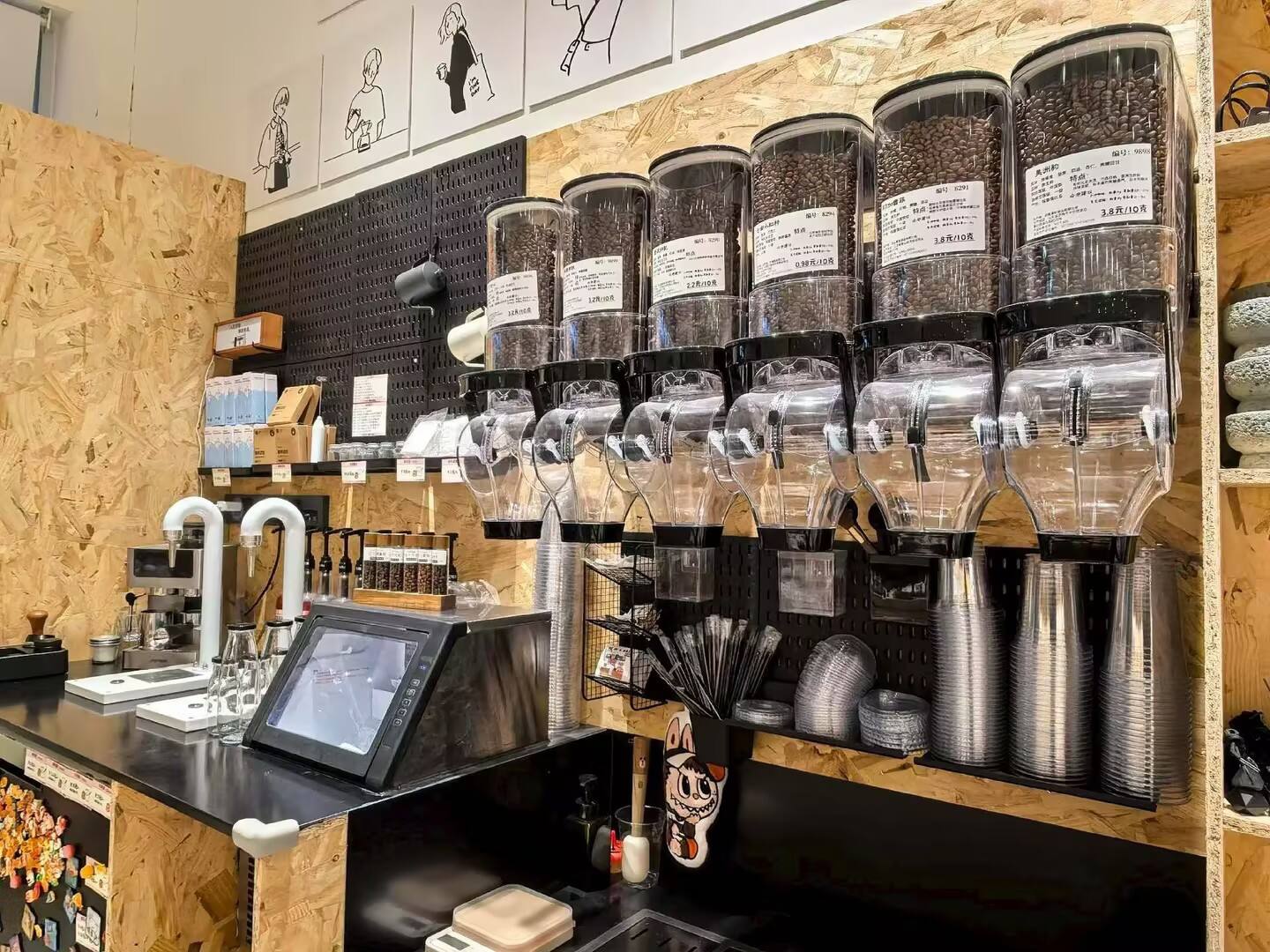
Why Food Dispenser Usability Directly Shapes Customer Experience
Intuitive operation and consistent performance: reducing friction at the point of interaction
Customers get frustrated when they stand in front of a food dispenser and aren't sure what to do next. Good interfaces with obvious buttons and signs cut down on mental effort, so most people finish their order in less than eight seconds according to studies from the hospitality industry. Performance matters just as much though. Machines need to be pretty accurate, usually within about 5% off target, and not break down much either, maybe once every hundred times during busy periods. Plus, they should run quietly enough that nobody hears them over normal conversation levels. These factors together stop people from worrying about getting half portions or broken machines. The numbers back this up too. Places with well designed dispensers see about a 22 percent boost in how many customers they serve during rush hour. Ultimately, making interactions smooth and straightforward turns out to be one of the best ways to get someone to try a machine for the first time and keep coming back after that.
Hygiene perception as a trust signal: how clean, reliable food dispenser operation influences brand credibility
People tend to judge how clean a place is based on what they see at food dispensers. About 78 percent actually rely on these machines as their main clue about whether it's safe to eat there. When looking at what really matters for keeping things hygienic, several factors stand out. Surfaces that resist fingerprints help a lot, plus those automatic coatings that kill germs when needed. And then there are those clever waste capture systems that stop tiny bits from building up over time. Restaurants that post their cleaning schedules somewhere everyone can see them, especially ones with timestamps showing exactly when each area was last cleaned, get much better scores during independent inspections. The numbers tell a story too. Just one spot of dirt or grime noticed by customers can lead to around 17% fewer people coming back later. So basically, when a business keeps its operations looking consistently clean and well maintained, it sends a powerful message without saying anything at all. Cleanliness just becomes part of what makes the brand trustworthy.
Smart Food Dispenser Features That Enhance Service Efficiency and Inclusivity
Touchless interfaces, real-time inventory tracking, and predictive restocking for seamless operations
Touchless interfaces that work with motion sensors or through mobile apps help cut down on contamination risks, something that really matters to shoppers. About 40% of people actually walk away from purchases because they worry about germs, according to Food Safety Journal research from last year. When combined with those smart IoT load cell sensors, these touchless setups can monitor inventory right down to individual grams and send all that usage info to prediction software. What happens then? The system starts sending restock warnings long before shelves run empty. This approach cuts down on wasted food by around 18% and saves staff time since they don't have to manually check inventories as often - roughly 30% less checking overall. Employees now have more free time to engage customers properly, and restaurant managers keep operations running smoothly without having to sacrifice food quality or mess up portion sizes.
Multilingual prompts, ADA-compliant design, and adaptive accessibility features
Designing food dispensers to work for everyone means making sure they serve all customers fairly. Modern ADA compliant machines come with several helpful features these days. They have voice prompts in over a dozen languages, tactile buttons marked with Braille, dispensing arms that can be adjusted from about 55 to 115 centimeters tall, plus built in screen reading capabilities. According to recent research from the Retail Accessibility Study last year, nearly one out of four people struggle with regular dispensers because of accessibility issues. Some newer models take this even further by automatically changing font sizes and screen contrast depending on how close someone stands to the machine. This makes things easier to read without holding up the line behind them. When businesses invest in such inclusive technology, they not only create better experiences for disabled patrons but also build stronger customer relationships and stay ahead of both legal requirements and what society expects nowadays.
Human-Centered Design: Optimizing Food Dispenser Placement, Ergonomics, and Interaction Flow
Where we put these dispensers matters a lot for customer interaction, along with making sure they're comfortable to use. The machines work really well when placed where people naturally gather near tables or benches but not so close that they block paths between areas, which helps cut down on waiting around and crowded spaces. When installing them, remember the ADA requirements for height between 34 and 48 inches off the ground. Angling the interface properly makes all the difference for reducing wrist pain and letting folks reach without stretching awkwardly. Good design includes clear signs showing what comes next, like picking out containers first then confirming portions before getting served. Buttons and screens need to respond quickly too, so users don't get frustrated mid-task. Research shows this kind of setup actually lowers physical effort needed by about 30% and speeds things up overall. Restaurant managers benefit as well since staff gets interrupted half as often compared to traditional setups, turning basic self-service into something much smoother and accessible for everyone involved.
Measuring What Matters: Linking Food Dispenser Performance to Customer Satisfaction Metrics
From NPS to Dispenser-Specific CSAT: Tracking Hygiene, Speed, Reliability, and Ease-of-Use
Looking at just general numbers like Net Promoter Score doesn't tell the whole story about what's really happening operationally. Venues actually get better results when they focus on specific Customer Satisfaction surveys for dispensers across four main areas: how clean things are kept, how fast products come out, if the machines work reliably, and whether people find them easy to use. Some research from last year showed that places using these detailed CSAT surveys saw around 23 percent more customers coming back compared to those stuck with only NPS data. When we track details closely, we spot problems that matter most to actual users. For instance, slow responses from touchless sensors can be super frustrating, while portions that vary too much make people lose trust in the machine. Putting together live sensor info like how long transactions take or how often errors happen with what customers actually say helps managers figure out exactly where fixing equipment, adjusting settings, or redesigning interfaces will make the biggest difference for customer experience and money spent. The result? Dispensers stop being just background fixtures and start becoming valuable tools that shape how brands are perceived and ultimately affect bottom line profits.
FAQ
What are the benefits of using touchless food dispensers?
Touchless food dispensers cut down on contamination risks and enhance inventory tracking. They contribute to reduced food waste by predicting restocking needs and save staff time with less frequent inventory checks.
How does the design of food dispensers cater to accessibility?
Modern dispensers include ADA-compliant features like voice prompts in multiple languages, Braille buttons, adjustable dispensing arms, and screen reading capabilities. These ensure usability for all patrons and enhance customer experience.
Why is hygiene important for food dispensers?
Hygiene in food dispensers affects customer perception of cleanliness and brand reliability. Clean dispensers with protective coatings and waste capture systems signal trustworthiness and can impact return customer rates significantly.
How does dispenser placement affect customer experience?
Strategically placed dispensers near natural gathering spots minimize waiting time and improve flow. Proper installation considering ergonomics reduces physical strain during usage.
What is the role of CSAT surveys in improving dispenser performance?
CSAT surveys focus on hygiene, speed, reliability, and ease-of-use of dispensers, providing detailed insights to enhance customer satisfaction. They help pinpoint key issues for operational improvements and build better customer loyalty.
Table of Contents
- Why Food Dispenser Usability Directly Shapes Customer Experience
- Smart Food Dispenser Features That Enhance Service Efficiency and Inclusivity
- Human-Centered Design: Optimizing Food Dispenser Placement, Ergonomics, and Interaction Flow
- Measuring What Matters: Linking Food Dispenser Performance to Customer Satisfaction Metrics
- FAQ


