
Meeting Consumer Demand for Sustainable, Packaging-Free Shopping
How Zero-Waste Trends Are Reshaping Grocery Retail Strategies
The latest Retail Sustainability Report from 2024 shows something pretty interesting: around 78 percent of people actually care about finding stores without all that packaging waste. Because of this trend, many retail spaces are changing how they layout their shops these days. Supermarkets have started setting aside anywhere between 15 to 30 percent of their store area just for bulk items. These days it's common to see those big dispensers where customers can scoop out their own nuts, grains, and spices without any plastic getting involved. The movement toward zero-waste shopping seems particularly strong with younger folks. A Nielsen study back in 2023 found that nearly three quarters of Generation Z shoppers go out of their way to skip products wrapped in single use plastics when possible.
The Role of Bulk Food Dispensers in Reducing Single-Use Plastic Packaging
Bulk food dispensers at modern grocery stores can cut down on around 12 thousand plastic pouches each year for every location they're installed in. Many retailers notice their plastic waste dropping somewhere between 40 to maybe even 60 percent once these dispensers are set up, especially when customers grab pasta or dried fruits in large quantities. Some stores have started mixing dispensers with programs that reward people who bring their own containers, and early results suggest about a quarter of customers stick around longer than those buying from regular packaging. The difference isn't huge but enough to make a dent in both environmental impact and shopping habits over time.
Case Study: Zero-Waste Supermarkets Scaling Bulk Dispenser Systems to Cut Environmental Impact
A 24-store supermarket chain achieved measurable sustainability gains by deploying bulk dispensers across 83 locations. Key results over 18 months:
| Metric | Improvement | Data Source |
|---|---|---|
| Plastic waste reduction | 62% | Internal audit (2024) |
| Customer adoption rate | 89% | Loyalty program analysis |
| Oatmeal sales increase | 41% | POS system tracking |
The chain credits modular dispenser designs with allowing quick category expansions while maintaining compliance with hygiene regulations.
Operational Efficiency Gains with Automated Bulk Dispensing Systems
Streamlining inventory management and restocking processes using gravity-fed dispensers
Gravity-fed bulk food dispensers minimize manual intervention in restocking workflows, with helical flow channels enabling 93% product evacuation rates. This design slashes residual waste by 20% compared to traditional scoop bins, according to 2023 logistics studies.
Reducing labor time and improving hygiene through self-serve bulk food dispenser setups
Self-service configurations cut staff involvement in dispensing activities by 40%, freeing them for customer-facing roles. Touchless operation models demonstrate 75% faster transaction times during peak hours while meeting hygiene standards.
Smart monitoring and real-time stock tracking in modern bulk dispensing units
IoT-enabled sensors in advanced bulk dispensers provide granular inventory visibility, triggering automatic replenishment alerts at 15% stock thresholds. This technology reduces out-of-stock instances by 55% through predictive demand modeling.
Case Study: Regional grocery chains achieving faster turnover and lower shrinkage with dispensers
A Midwestern supermarket group achieved 35% faster inventory turnover and 28% lower shrinkage rates within six months of implementing smart bulk dispensers. The system's gravity-fed mechanics combined with real-time usage analytics reduced labor costs by $18,000 monthly per location (GroceryTech 2024).
Minimizing Product Waste Through Portion Control and Precise Dispensing
How Bulk Food Dispensers Reduce Over-Pouring and Consumer Waste
Bulk food dispensers today tackle portion control with their measured dispensing setups. When portions are limited to specific amounts, people tend to spill or take too much less often. A recent study from 2025 looked at how these precision dispensers work in practice. The findings showed around an 18 percent drop in accidental over-pouring when compared to old fashioned self serve bins where anyone can grab what they want. For expensive stuff like premium nuts, various grains, and specialty flours that cost a lot per pound, this kind of precision makes a real difference in cutting down wasted product across grocery stores and restaurants.
Extending Shelf Life by Minimizing Product Exposure and Contamination
Airtight dispensers create barriers against humidity, insects, and airborne contaminants—key factors in food degradation. Advanced models with UV-blocking chambers and antimicrobial surfaces maintain optimal freshness for 30–50% longer than open-container displays based on controlled environment testing.
Trend: Adoption of Dispensers for Perishable Dry Goods with Strict Freshness Windows
Retailers are increasingly using bulk dispensers for oxygen-sensitive items such as chia seeds, nutritional yeast, and freeze-dried fruits. The ability to maintain nitrogen-flushed environments allows stores to expand offerings in sensitive categories while meeting 45-day freshness guarantees.
Measurable Impact on Product Shrinkage in Stores Using Bulk Dispensing
Early adopters report a 32% reduction in annual shrinkage after implementing bulk dispensers, as documented in a 2025 retail efficiency report. This improvement stems from minimized spillage, fewer handling errors, and real-time inventory alerts that prevent stockouts leading to expired products.
Cost Savings and Space Optimization in Compact Retail Environments
Maximizing Floor Space with Countertop and Small-Capacity Bulk Food Dispensers
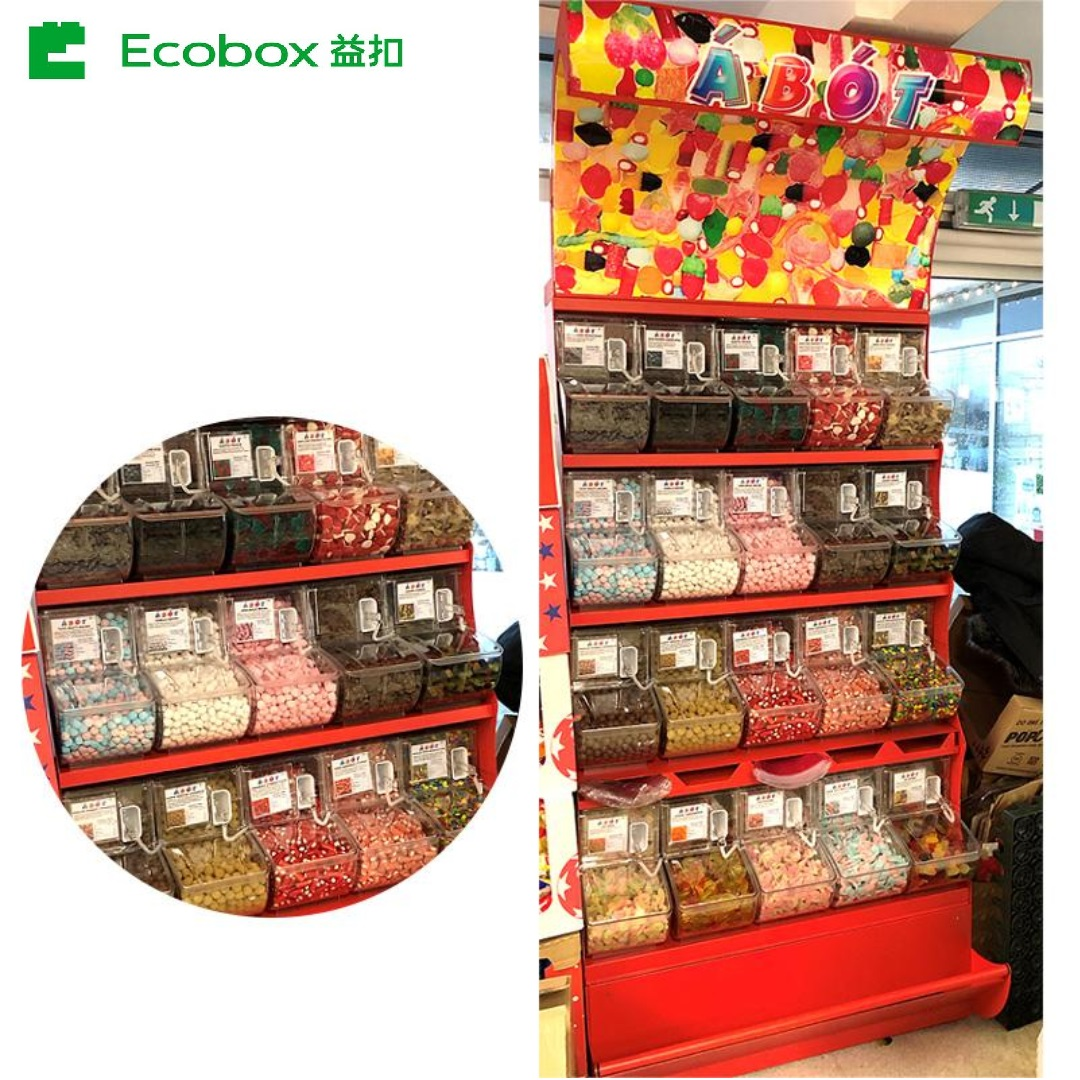
Stores located in crowded city centers are starting to switch to these countertop bulk food dispensers because they take up about 60 percent less room compared to regular shelves. The compact design makes good use of vertical space through stacked containers and relies on gravity to keep products flowing. A single unit can hold around 12 different items within just a 3 foot by 2 foot area, which works great for smaller shops that don't have much floor space to begin with. These dispensers typically hold less than five pounds each, so there's no risk of them getting too full or blocking customer paths. They let stores offer popular items like nuts, grains, and various types of candy while still keeping aisles clear enough for people to move around comfortably.
Balancing Product Variety and Footprint Efficiency in Urban Convenience Stores
Urban grocery chains have seen their dry goods sales jump by about 34 percent since switching from those traditional floor bins to wall mounted dispensers instead. The change frees up around 18 to 24 inches of valuable space in smaller stores under 2,000 square feet while still letting them offer more variety on shelves. These modular panels can be swapped out every week for roughly 40 to 50 different seasonal products without having to rearrange everything else in the store. And this matters a lot because nearly three quarters of customers at these locations actually want something compact yet thoughtfully selected when they shop.
Case Study: High-Density Store Layouts Leveraging Dispensers for Better Space Utilization
One small convenience store in Manhattan covering around 1,400 square feet saw its revenue jump by about 22% per square foot after putting in 18 bulk dispensers along the walls. This setup cut down on those middle aisle displays by roughly 60%, which opened up room for something totally different - they added a cold pressed juice bar that actually brings in good money. The dispensers themselves are pretty narrow, so instead of just showing one product at a time like before, they can now hold about 800 pounds worth of bulk items in those same spots. Makes sense when thinking about how much floor space costs in New York City real estate.
Long-Term Cost Benefits from Reduced Packaging, Labor, and Waste Handling
Retail locations that switch to dispensers end up saving around $8,100 each year on all those plastic containers and bags for non-perishables alone. That's roughly 15% off their regular running costs for things that don't go bad quickly. The automated sensors in these dispensers mean staff spend 12 fewer hours every week restocking shelves, and when spills happen, the built-in trays make cleaning up a breeze compared to traditional setups where messes take almost twice as long to handle. Most stores find they get back more than what they spent on installing dispensers within just three years. The money comes back mainly from cutting down on wasted product and freeing up valuable floor space that can then be used for higher margin items or better customer service areas.
Integrating Bulk Dispensers into Store Design for Enhanced Customer Experience
Designing Intuitive Bulk Sections That Encourage Reusable Container Use
Stores are now putting bulk food dispensers right at the front door where shoppers first walk in, often next to stations where customers can bring their own containers. These displays come with brightly colored bins and screens showing what's inside each one, making it easier to find what people need without getting lost among all the options. According to some research from last year, grocery stores that organized their bulk areas this way had around 40 something percent more people bringing in their own bags and jars than places that kept things scattered around. The clear plastic bins let everyone see what's available while the flexible setup means stores can rearrange stuff when seasons change or new products arrive. Most shoppers just want to know what they're buying and feel good about not contributing to plastic waste, so these changes make sense for both the environment and customer satisfaction.
Educating Shoppers on Sustainable Practices at the Point of Dispensing
Retailers that really care about the environment are starting to put sustainability lessons right on their dispenser interfaces these days. The touchscreens show live numbers about how much plastic waste gets prevented with each purchase made there. Some even have QR codes pointing folks toward recipes featuring those weird grains or exotic spices they might not know what to do with otherwise. Employees working at these stations get special training in circular economy stuff too, helping shoppers actually make environmentally friendly choices instead of just intending to. About two thirds of people will actually adjust their shopping behavior if they can see clear evidence of environmental benefits happening in real time according to Nielsen research from last year.
Overcoming Hygiene Concerns with Smart Dispenser Features and Clear Signage
The latest bulk dispensers tackle hygiene issues by incorporating touch free infrared sensors along with dispensing chutes treated with antimicrobial coatings. Retail locations that installed these systems featuring automatic sealing and built in air purification saw about 57 percent fewer complaints related to cleanliness according to their 2023 safety check reports. Stores are now putting up signs showing when the last cleaning occurred and running regular UV C sterilization sessions which helps customers feel better about what they're grabbing. Some even have short video guides playing in the aisles showing folks how to handle the products correctly something really important for keeping things safe where lots of people come and go throughout the day.
FAQ Section
What is zero-waste shopping?
Zero-waste shopping is a movement aimed at reducing packaging waste by allowing consumers to purchase products without single-use plastics, often through bulk dispensers.
How do bulk food dispensers help the environment?
Bulk food dispensers help the environment by significantly reducing the use of single-use plastic packaging, cutting down on plastic waste, and decreasing accidental product waste.
Are bulk food dispensers hygienic and safe?
Yes, modern bulk food dispensers incorporate features such as antimicrobial coatings, touch-free sensors, and air purification systems to maintain hygiene and safety standards.
Can bulk dispensers be used in small retail spaces?
Yes, bulk dispensers are often compact and designed to be space-efficient, making them suitable for small retail environments like urban convenience stores.
How do bulk food dispensers impact store costs?
Bulk food dispensers can lower costs by reducing the need for packaging, cutting labor time for restocking, and minimizing product waste, ultimately leading to savings.
Table of Contents
- Meeting Consumer Demand for Sustainable, Packaging-Free Shopping
-
Operational Efficiency Gains with Automated Bulk Dispensing Systems
- Streamlining inventory management and restocking processes using gravity-fed dispensers
- Reducing labor time and improving hygiene through self-serve bulk food dispenser setups
- Smart monitoring and real-time stock tracking in modern bulk dispensing units
- Case Study: Regional grocery chains achieving faster turnover and lower shrinkage with dispensers
- Minimizing Product Waste Through Portion Control and Precise Dispensing
- Cost Savings and Space Optimization in Compact Retail Environments
- Maximizing Floor Space with Countertop and Small-Capacity Bulk Food Dispensers
- Integrating Bulk Dispensers into Store Design for Enhanced Customer Experience
- Designing Intuitive Bulk Sections That Encourage Reusable Container Use
- Educating Shoppers on Sustainable Practices at the Point of Dispensing
- Overcoming Hygiene Concerns with Smart Dispenser Features and Clear Signage
- FAQ Section


