
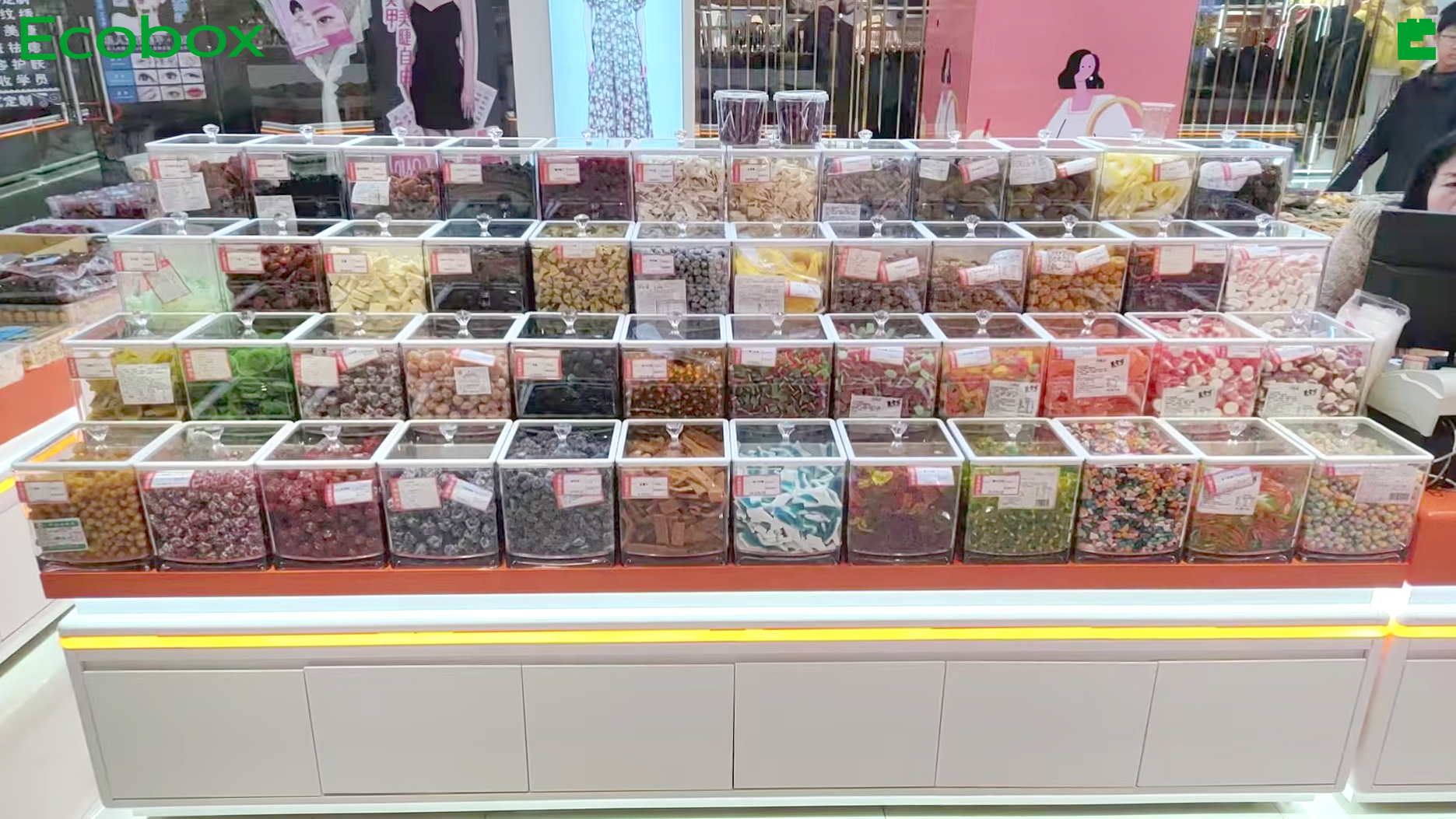
The Science of Candy Freshness: How a Quality Candy Bin Makes a Difference
How packaging materials impact candy shelf life and freshness
The right packaging makes all the difference when it comes to keeping candy fresh. Good materials act as shields against moisture, oxygen, and light which are the main culprits behind candy going bad too fast. When hard candies stay dry they don't get sticky, and soft ones maintain their chewy texture without turning into mush. The special coatings on quality candy bins do wonders for flavors too since they block out oxygen that would otherwise ruin taste through oxidation. Most premium storage solutions use food safe plastics with these protective layers, giving them way better shelf life than regular plastic containers found at discount stores. Some studies suggest smart packaging choices can actually keep candy tasting fresh around 30% longer, though actual results may vary depending on storage conditions and candy type.
Airtight and resealable candy bin features that prevent spoilage
What sets premium candy storage apart is those tight seals and dependable closures that keep things inside just right. Most quality bins feature silicone gaskets along with those double locking lids which create pretty much an impenetrable shield against moisture and air getting in. This matters because nobody wants their chocolates developing that white powdery stuff (sugar bloom) or losing their nice crunch after being opened multiple times. Regular plastic bags just can't compete here. With resealable containers, snacks stay protected from day one until the last piece gets eaten, so every bite maintains that fresh out of the wrapper taste we all crave.
The role of oxygen and moisture barriers in high-quality candy storage
Keeping oxygen and moisture away from candy is really important if we want our sweets to last longer. When oxygen gets into fatty treats like chocolate bars or caramel pieces, it causes them to go bad through something called lipid oxidation. Moisture problems are different but just as bad they can make candy sticky, cause sugar crystals to form, or even let bacteria grow. The better candy storage containers these days have multiple layers made from stuff like EVOH or polypropylene. These materials stop vapor from getting through much better than regular containers do, probably around ten times better according to some tests. For those fancy desserts that need special care because they're either super moist or loaded with fat, having proper storage becomes absolutely necessary. Nobody wants their expensive gourmet chocolates turning into a gooey mess after sitting on the shelf for weeks.
Controlling Moisture and Humidity in Candy Storage Environments
Moisture is the most significant threat to candy quality, with even short-term exposure leading to texture loss, stickiness, and spoilage—especially in freeze-dried candies, which rapidly absorb ambient humidity. Research shows that maintaining relative humidity below 50% is critical for preventing moisture uptake and preserving structural integrity.
Why moisture protection is critical in candy packaging and storage
Most candy recipes include ingredients that grab moisture from the air, such as sugar and corn syrup. These substances are what we call hygroscopic, meaning they pull in water molecules. When this happens, hard candies start to soften instead of staying crunchy, chocolate bars get that white powdery coating everyone hates (known as sugar bloom), and gummy treats become sticky messes rather than their intended chewy consistency. According to research published by NCBI, changes in temperature and humidity really mess with how long candy stays good. Some types of sweets basically fall apart completely if stored improperly, which explains why grocery stores always keep them in climate controlled environments.
Effective humidity control strategies using advanced candy bins
Today's candy storage solutions come packed with several ways to fight off moisture problems. Most have those tight seals that keep air out, plus materials that resist dampness, and some even include little pockets filled with drying agents. All these things team up to hit that sweet spot between 40 and 50 percent humidity which food scientists say is best for keeping treats fresh. The ones with those rubbery gasket seals and really good locking tops do an amazing job creating their own little climate inside. This means whatever sits inside stays protected from all those random humidity changes happening outside, so candies last much longer without getting soggy or sticky.
Case study: Damage prevention in moisture-sensitive candies
Looking at different ways to store moisture sensitive sweets shows just how much packaging matters. Regular candy boxes start showing problems pretty quickly after opening - most lose their nice texture within two days or so. But when kept in those special sealed containers that control humidity levels, the same candies stay fresh looking and tasting great for half a year or more. The difference is night and day really. Better storage isn't just about keeping things looking good on shelves though. When customers open packaging that's properly maintained, they get what they expect from their favorite treats instead of something disappointing.
Blocking Light and Oxygen to Preserve Flavor and Color
How UV and visible light degrade candy appearance and taste
When candies get exposed to UV light and regular sunlight, they start to break down chemically through what's called photodegradation. The sensitive ingredients inside begin to degrade over time, which leads to colors fading away, strange flavors developing, and an overall loss of visual appeal on store shelves. Artificial coloring agents and many natural flavor compounds are particularly vulnerable to light exposure. These substances actually change their chemical makeup when lit up, messing with the original taste and making products go bad faster than normal. The damage affects how good the candy tastes and smells, but there's another serious consequence too: it dramatically cuts down how long these treats can stay fresh before needing to be thrown out.
Oxidation in candies: The impact of oxygen exposure on quality
When oxygen gets into candy, it starts a chemical reaction called oxidation that messes with how things taste and feel. For chocolates and other fatty treats, this means developing those off-putting rancid flavors and that annoying gritty mouthfeel everyone hates. Sugar candies aren't immune either. The oxygen actually encourages crystals to form inside them, which makes everything rock hard over time. Research indicates that without proper protection from air, some delicate sweets might only last half as long on store shelves. That's why manufacturers invest so much in creating effective oxygen barriers these days. Keeping air out isn't just about preserving flavor anymore it's practically essential for any brand wanting their products to stay fresh until they reach consumers.
Using opaque, airtight candy bins to minimize light and oxygen damage
Top quality candy storage solutions use both opaque materials and advanced oxygen barrier tech to keep products safe. The solid walls stop all those harmful UV rays and regular sunlight from getting in, which means no more fading colors or lost flavors over time. Add some good air tight seals to the mix and suddenly we're talking about containers that actually cut down on oxygen exposure. This matters because oxygen is basically the enemy when it comes to keeping sweets tasting great. Candies stored properly stay tasty longer, look better on store shelves, and don't develop that stale aftertaste that nobody wants. Manufacturers really care about this stuff since it directly affects customer satisfaction and product shelf life.
Best Storage Practices for Consumers and Retailers Using Candy Bins
Ideal storage conditions: Temperature, placement, and handling tips
Store candy bins in a cool, dry place with temperatures between 60–70°F (15–21°C) and humidity under 50%. Avoid locations near heat sources like ovens, windows, or vents, where thermal fluctuations can cause melting or moisture condensation. Always use clean, dry utensils when handling candy to prevent introducing moisture or contaminants.
Choosing the right candy bin: Features for freshness and usability
When shopping for storage bins, go for ones built from tough food safe materials that have good air tight seals. The walls should be dark colored or tinted so they block out light which helps preserve contents longer. At home, what really counts is how easy it is to open and close them again after use. But if we're talking about commercial kitchens or restaurants, then look for containers with built in portion control tools, those that can stack neatly on top of each other, and surfaces that wipe clean without much hassle. All these little details make a big difference when trying to keep ingredients fresh while also making daily operations run smoother day after day.
Daily use of airtight containers to maintain long-term candy quality
Start with an FIFO approach for inventory so that older candies get used before newer ones sit around. Always put those lids back on tight right after opening them. Even short periods of air exposure add up over time and makes things go stale faster than we might think. Check those seals regularly for any signs they're wearing out. Give storage containers a good cleaning whenever refilling to keep different flavors from mixing together. People who stick with this routine tend to notice their candy stays fresh about 30 percent longer than when stored improperly. Makes sense really, since keeping everything sealed properly just seems logical for preserving taste and texture.
FAQ Section
Q: What are the main factors affecting candy freshness?
A: Candy freshness is primarily affected by moisture, oxygen, and light exposure. Proper packaging and storage solutions that block these elements can significantly extend shelf life.
Q: How do airtight candy bins prevent spoilage?
A: Airtight candy bins prevent spoilage by creating a secure barrier against moisture and air, protecting the candy from losing its flavor and texture due to external environmental factors.
Q: Why is controlling humidity important in candy storage?
A: Controlling humidity is crucial because many candy ingredients are hygroscopic, meaning they absorb moisture easily. High humidity can lead to spoilage, stickiness, and textural changes.
Q: How does light affect candy quality?
A: Light exposure, especially UV light, can lead to photodegradation, which causes colors to fade and flavors to degrade, thereby reducing the candy's appeal and quality.


