
Understanding Candy Types and Their Storage Requirements
Soft vs. hard vs. chocolate candies: Texture, sensitivity, and shelf life differences
The way different kinds of candy should be stored varies quite a bit because each type has its own makeup and reacts differently to conditions around it. Take hard candies for instance, those little sugar rocks we all know so well. Since they contain almost no moisture at all, these bad boys can hang around in good condition for about a whole year as long as they're kept somewhere cool and dry. Now chocolate is another story entirely. The cocoa butter inside makes it super sensitive to changes in temperature. When this happens, something called fat bloom appears on the surface, creating that white film most people notice but doesn't actually make the chocolate unsafe to eat. Then there are soft candies such as caramels and taffy which sit somewhere in between. They've got enough moisture to get ruined if left too dry, yet they also turn into gooey messes when humidity gets out of control. Most folks find themselves tossing these after just a few weeks unless they happen to live somewhere with stable climate conditions.
Moisture, light, and oxygen: How environmental factors affect candy freshness
The environment has a big impact on how long candy stays fresh and tasty. When there's too much moisture around, hard candies start forming crystals and soft ones become sticky messes. Air gets rid of those nice flavors over time, making everything taste stale. Sunlight isn't good either—it fades colors fast and creates weird flavors, particularly noticeable in chocolates. Studies indicate that storing candy properly actually triples its shelf life compared to just leaving it out somewhere. That means investing in good packaging isn't just about looks; it really makes a difference in keeping sweets enjoyable longer.
Special needs for gummies, caramels, and chocolates: Preventing melting, drying, or sticking
Different types of candy come with their own particular problems when it comes to storage. Gummy bears and similar soft candies need to stay sealed tight so they don't lose moisture and turn rock hard. For caramels, finding the right balance of humidity is tricky business. They'll dry out fast if left exposed, yet pick up moisture from the air too readily, turning into a gooey mess on store shelves. Chocolate products are another story entirely, needing pretty strict temperature control around 60 to 70 degrees Fahrenheit to keep them from melting or developing that white film called fat bloom. According to some research on how sweets are stored, just picking the right containers can cut down on wasted product in shops by as much as 40%, simply by tackling these unique issues each sweet faces.
Essential Features of a High-Performance Candy Bin
Airtight sealing: Preserving flavor and texture by blocking air exposure
When it comes to storing candy, nothing beats having something that seals really well. Let air in and watch what happens - flavors start fading fast while textures change too. Some research indicates properly sealed containers might keep candies fresh three times longer than just putting them in any old container. Good quality bins usually have those rubber seals around the edges or maybe latches that snap shut tight. These features stop oxygen from getting at the candy, so everything stays fresher for much longer. Chocolate doesn't go soft, gummies remain chewy, and hard candies stay crisp instead of melting together after sitting on the shelf for weeks.
Moisture and humidity control: Use of desiccants and vapor barriers
Keeping moisture levels under control stops those annoying texture changes in candies that love to soak up water, like gummies, caramels, and marshmallows. The better quality storage containers usually come with special drying packs inside or tight seals that keep the humidity down around 40%, which is basically where sugar starts grabbing water from the air. When we can control this environment properly, it means our candy stays nice and chewy instead of getting all sticky or gooey. Plus, nobody wants their favorite treats turning into one big solid mass or going rock hard after sitting on the shelf for weeks.
UV protection and opaque materials to shield candy from light degradation
Exposure to light, particularly those harmful UV rays, leads to what's called photo oxidation which basically makes colors fade away and gives chocolate and fruity candies those unpleasant stale or rancid flavors over time. When stored in opaque containers or ones treated with UV blocking coatings, these products suffer much less damage from light exposure. Some studies have shown that such packaging can keep colors looking vibrant for as much as 68 percent longer compared to regular clear containers. This kind of protection matters a lot for chocolates and other sweets sensitive to light because it helps them stay visually appealing while maintaining their original taste profile too. Nobody wants to bite into something that looks dull and tastes off just because it sat out in sunlight for too long.
Common Candy Bin Types: Jars, Tins, and Rigid Containers Compared
Glass jars: Airtight options like swing-top and apothecary styles for home use
Glass jars make great containers for storing homemade candies around the house. The swing tops and old fashioned apothecary style ones work really well because the rubber gaskets create tight seals that keep everything inside just right. The glass itself doesn't soak up smells or let moisture get through easily either. Even though it's nice being able to see what's inside those clear jars, most folks put them somewhere not directly in sunlight since too much UV can mess with the candy over time. Many people find these jars especially handy for keeping track of smaller batches in their kitchen cupboards where looks matter as much as keeping things fresh.
Candy tin boxes: Durable, portable, and ideal for chocolates and mints
Most candy tins are made from sturdy tinplate steel about 0.21 to 0.28 mm thick, which stands up pretty well to bumps and knocks as well as changes in temperature or humidity. The lids fit tightly on these containers, either through a screw top mechanism or a hinge design, creating a barrier that keeps smells in and moisture out. Plus, since they're made of solid metal, they completely block out light. For this reason, chocolate makers and mint producers really like using tins because they help prevent things like blooming on the surface of chocolates, stop melting when it gets warm, and preserve flavors over time. People also find them handy for carrying around snacks during trips or giving as presents because they don't break easily.
Rigid plastic bins and containers: Practical solutions for bulk or retail storage
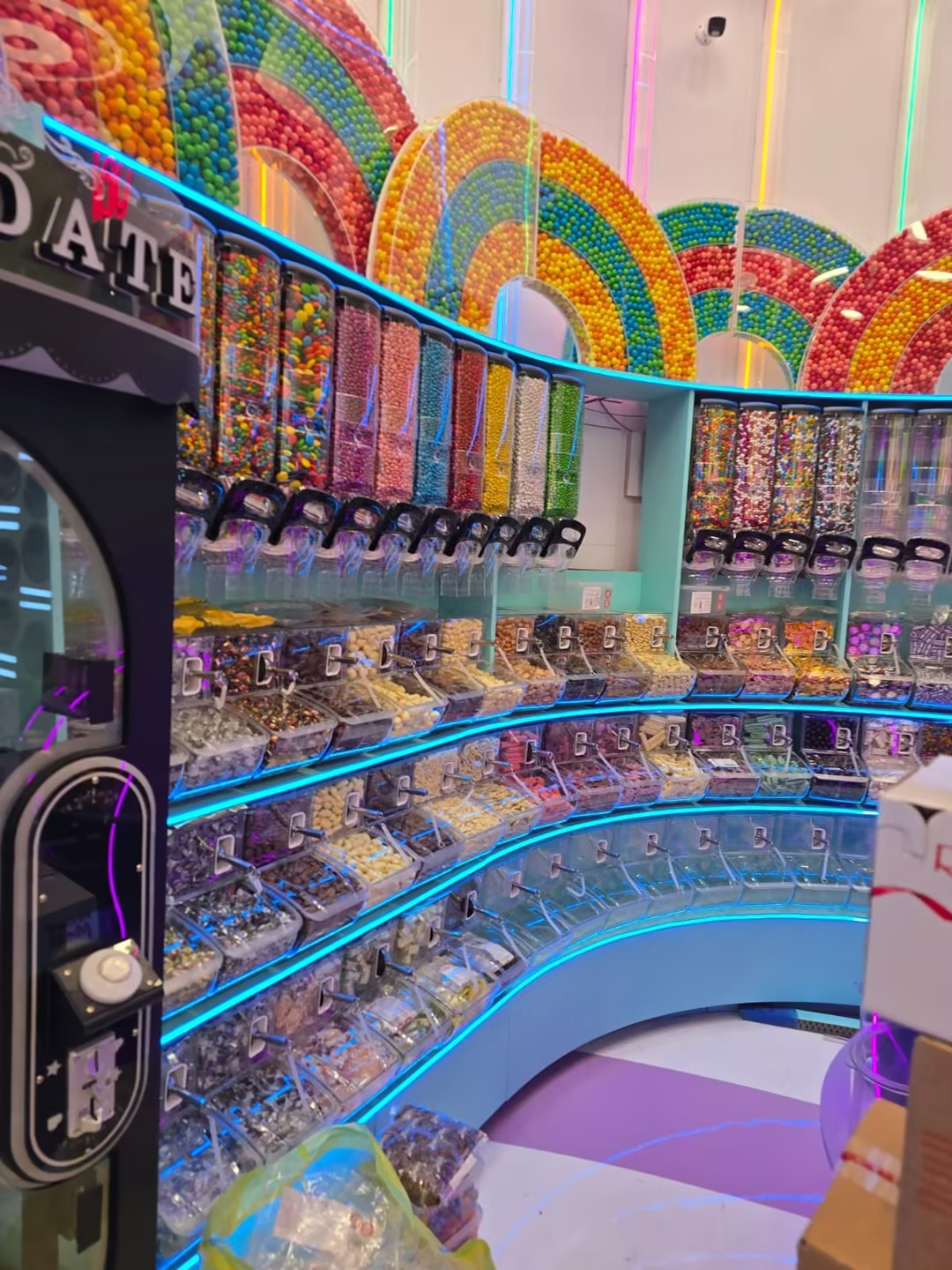
Hard plastic storage bins have become pretty much standard equipment across stores and warehouses because they just hold up so well and let staff get into them whenever needed. Most come with those snap on or clip seal tops that keep things safe but still allow workers to grab what they need throughout the day. A lot of models feature clear sides too, which makes it super easy to see what's inside without opening everything up. This transparency helps managers spot when stock is running low while also making products look better on display shelves. These bins stack neatly one on top of another, saving precious floor space whether stored behind counters or right out in front where customers can see them. For places that go through a ton of inventory daily, the fact that these containers can take a beating and still work just fine means looks tend to matter less than functionality in the long run.
Sizing Your Candy Bin for Home, Retail, or Bulk Use
Selecting the right candy bin size depends on your storage context—whether personal use, retail display, or wholesale inventory. Proper sizing ensures optimal airflow, minimizes repeated exposure, and reduces spoilage risk.
Matching candy bin capacity to volume: From small batches to large displays
Most households find those little 1 to 5 liter containers really handy for keeping their pantry organized and storing all those odds and ends. Stores need something bigger though, usually around 5 to 20 liters works best for them. These medium sized bins let products stay on display where customers can see them, plus they make it easier to restock when needed. When we get into bulk storage situations like warehouses or wholesale centers, nothing beats containers over 30 liters in capacity. They cut down on how often workers have to move stuff around and just plain make managing stock so much simpler. Getting the right container size for how much stuff needs to be stored isn't just about space saving either, it actually helps keep items fresher longer too.
Space efficiency in home pantries vs. high-visibility retail setups
When it comes to organizing home pantries, getting the most out of small spaces usually means going for those stackable containers and other compact solutions that still let people reach what they need easily. Supermarkets and stores take a different approach altogether. They want everything visible so customers notice products right away. That's why we see so many vertical displays, those modular shelving units, and items mounted on walls throughout the store. The way these places are laid out really matters too. Studies show good layout design can actually get shoppers interacting with products about 40% more often than before. At home, nobody wants their pantry looking like a display case. People prefer stuff that blends in but lasts forever. Stores? They're all about positioning products where they catch eyes and wallets open up.
FAQ
How can I store different types of candy to maximize freshness?
Store hard candies in cool, dry places, chocolates in a temperature-controlled environment, and soft candies like gummies and caramels in airtight containers with desiccants to regulate moisture.
What environmental factors affect the freshness of candy?
Moisture, oxygen, and sunlight can degrade the quality of candy by altering its texture and flavor. Proper storage helps counteract these elements.
Why is airtight sealing important for candy storage?
Airtight sealing prevents exposure to air, preserving both flavor and texture, and extending the shelf life of the candy significantly.


